I took the leap into the twenty-first century and plunked down the $390 for a Garmin 500 (with all the doo-dads) last September.

It's not that I've avoided GPS -- my first was 1993 Garmin GPS 2+ (before SA was turned off and 100 meter accuracy was as good as it got). I used that unit for Army training, small plane flying, and general marking of various locations. It still works, although the DB is woefully outdated.
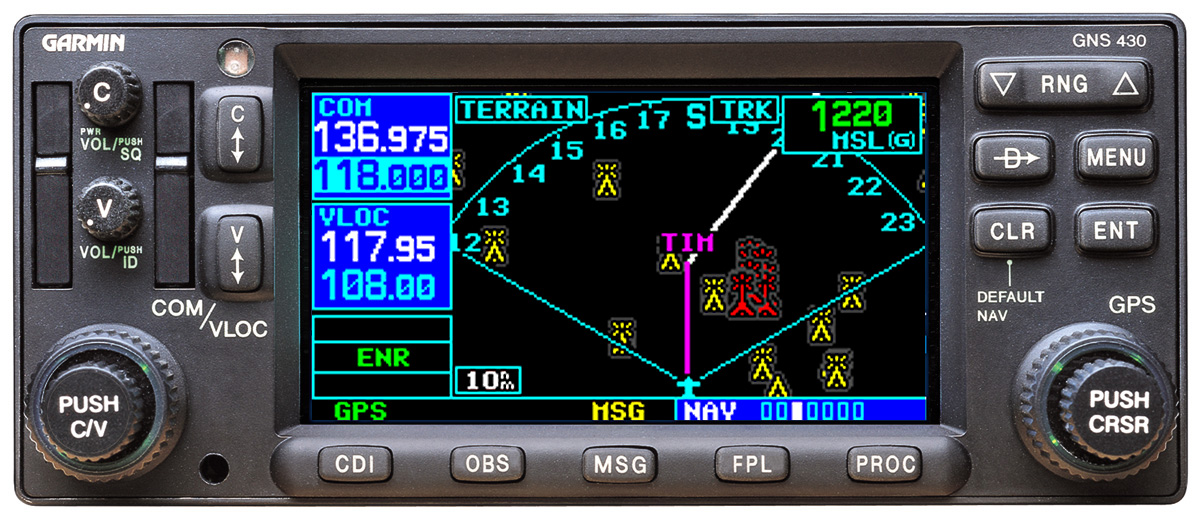
I have many hours behind a Garmin 430W Panel mount in a Cessna 205 and Beechcraft A36 Bonanza. I also have a 496 handheld (with XM weather) I've used in my 1940 Aeronca Chief.

But GPS seemed superfluous for most cycling. After all, I ride the same routes, so I really don't need high-end mapping. My Cateye cyclocomputers have been flawless for tens of thousands of miles, and my Android phone was working (mostly) for capturing rides using the Strava and RidewithGPS apps.
But every so often the phone battery would die, or the ride wouldn't record, or the signal would be interrupted. That was becoming annoying (especially after turning myself inside-out to chase a Strava KOM only to find the effort wasn't recorded).
Sovanity practical necessity compelled me to buy a dedicated bicycle GPS.
I surveyed the field, read all the reviews, watched the Pros, and made the same easy choice many others make: Go with the leader.
I choose the 500 and not any of the more sophisticated siblings because it's less expensive and I don't need mapping or wireless.
Setup is simple, installation a cinch (go for the K-Edge, it's the best), and pickup quick. I have the cadence / speed sensor so a little bit of attention to detail goes a long way. A few zip ties and it's ready to roll. The wheel magnet is the standard deal.
My routine is established now:
The backlight is great for early morning rides (I commute to work now so it's usually dark the first half of my ride in winter, spring, and fall).
The display is configurable (you use a menu sequence to select what's displayed where and on what screen). I rarely (never?) switch screens. While there's plenty of cool data I'm really only interested in current cadence, HR, and speed, average speed, total distance. It displays all flawlessly.
Cold temperatures can dim the display. My coldest ride was 8 F (actual temp, not bogus "wind chill"). Portions of the display faded, but it recorded the entire ride.
Speaking of temperature -- don't count on the temperature reading in the unit -- the sensor must be buried somewhere inside. It indicates indoor ambient temp for a while before slowly descending to actual outside ambient. It doesn't matter to me since I can check a real thermometer before heading out.
I don't have a protective case -- I'm not doing bunch racing anymore so crashing is slightly less probable. I avoid crashing.
The beeps can be annoying. I have a max heart rate setting and it's too low. When I'm struggling up a 13% grade I *really* don't need nanny Garmin beeping at me. But I forget to reset it until I hear it again. Oh well.
Synchronization with Strava and RidewithGPS is pretty painless ONCE you get it all configured. Recently Chrome told me the plug in won't work anymore.So I use IE for the two services.
Overall I'm very pleased with the function, size, battery life, and data provided by my Garmin 500. It's been a nice upgrade.
I don't even think about wireless or mapping. After all the wireless feature would eat through cell battery life (not good), and the map would be far to small to be useful. You can pre-load a route in the 500 and let it beep at you when it's time to turn. I'm not a fan so I just review the map and check my phone if I'm really not sure about a turn.
The real benefit of the 500 will be longer rides and rides in Canada. I didn't use the ride logging apps in Canada since they require phone data -- yikes. The Garmin will record the rides and then I'll upload them back at the hotel on wifi -- or even wait until we return home.
If you ride frequently, train, or race you probably should get one of these.
---Amazon Review here:------
The Garmin Edge 500 is a fantastic product. I've been riding road bicycles for many years, and thought my CatEye bike computers were plenty. So I was hesitant to purchase, but have been happy ever since.
The main benefits of this computer are;
--Dedicated unit with long battery life: It does one thing very well -- track and display speed and distance.
--Small and lightweight: Critical for roadies!
--Easy to setup (although reading direction is required!)
--Excellent low light visibility: I ride early in the morning and 8 months of the year it's dark when I start.
--Syncs with Strava and RidewithGPS
--Requires no data plan: This is important for logging rides in Canada. We visit often and my phone would use many $$ of data tracking a ride. This unit doesn't require that so I can log every ride and upload when we return.
--Solid HRM: The only time I see weird readings is when the battery is about to go. The deluxe strap is comfortable and long-lasting (just hand wash it and let it air dry).
Although once every 3 months or so there will be a Garmin error, eventually it gets sorted out and the ride is logged.
I don't rely on this unit for directions, altitude, or ambient temperature. Those features are present but not trustworthy. Who cares? There's a hill? Climb it. When you're finished, load the file and see exact elevation online.
I'm not a fan of the Garmin-provided mount. I immediately purchased the wildly expensive K-Edge mount and have been happy. I use the Garmin mount on my rain bike and it slides, moves, and just feel insecure.

It's not that I've avoided GPS -- my first was 1993 Garmin GPS 2+ (before SA was turned off and 100 meter accuracy was as good as it got). I used that unit for Army training, small plane flying, and general marking of various locations. It still works, although the DB is woefully outdated.
I have many hours behind a Garmin 430W Panel mount in a Cessna 205 and Beechcraft A36 Bonanza. I also have a 496 handheld (with XM weather) I've used in my 1940 Aeronca Chief.
But GPS seemed superfluous for most cycling. After all, I ride the same routes, so I really don't need high-end mapping. My Cateye cyclocomputers have been flawless for tens of thousands of miles, and my Android phone was working (mostly) for capturing rides using the Strava and RidewithGPS apps.
But every so often the phone battery would die, or the ride wouldn't record, or the signal would be interrupted. That was becoming annoying (especially after turning myself inside-out to chase a Strava KOM only to find the effort wasn't recorded).
So
I surveyed the field, read all the reviews, watched the Pros, and made the same easy choice many others make: Go with the leader.
I choose the 500 and not any of the more sophisticated siblings because it's less expensive and I don't need mapping or wireless.
Setup is simple, installation a cinch (go for the K-Edge, it's the best), and pickup quick. I have the cadence / speed sensor so a little bit of attention to detail goes a long way. A few zip ties and it's ready to roll. The wheel magnet is the standard deal.
My routine is established now:
- Unplug Garmin from the USB connection
- Click into K-Edge mount
- Press Power
- Check lights (for early morning rides) and tire pressure
- Walk out of the garage, stand over, press backlight (if early)
- Roll down driveway and press "OK" when Garmin announces it sense movement
- Ride
The backlight is great for early morning rides (I commute to work now so it's usually dark the first half of my ride in winter, spring, and fall).
The display is configurable (you use a menu sequence to select what's displayed where and on what screen). I rarely (never?) switch screens. While there's plenty of cool data I'm really only interested in current cadence, HR, and speed, average speed, total distance. It displays all flawlessly.
Cold temperatures can dim the display. My coldest ride was 8 F (actual temp, not bogus "wind chill"). Portions of the display faded, but it recorded the entire ride.
Speaking of temperature -- don't count on the temperature reading in the unit -- the sensor must be buried somewhere inside. It indicates indoor ambient temp for a while before slowly descending to actual outside ambient. It doesn't matter to me since I can check a real thermometer before heading out.
I don't have a protective case -- I'm not doing bunch racing anymore so crashing is slightly less probable. I avoid crashing.
The beeps can be annoying. I have a max heart rate setting and it's too low. When I'm struggling up a 13% grade I *really* don't need nanny Garmin beeping at me. But I forget to reset it until I hear it again. Oh well.
Synchronization with Strava and RidewithGPS is pretty painless ONCE you get it all configured. Recently Chrome told me the plug in won't work anymore.
Overall I'm very pleased with the function, size, battery life, and data provided by my Garmin 500. It's been a nice upgrade.
I don't even think about wireless or mapping. After all the wireless feature would eat through cell battery life (not good), and the map would be far to small to be useful. You can pre-load a route in the 500 and let it beep at you when it's time to turn. I'm not a fan so I just review the map and check my phone if I'm really not sure about a turn.
The real benefit of the 500 will be longer rides and rides in Canada. I didn't use the ride logging apps in Canada since they require phone data -- yikes. The Garmin will record the rides and then I'll upload them back at the hotel on wifi -- or even wait until we return home.
If you ride frequently, train, or race you probably should get one of these.
---Amazon Review here:------
The Garmin Edge 500 is a fantastic product. I've been riding road bicycles for many years, and thought my CatEye bike computers were plenty. So I was hesitant to purchase, but have been happy ever since.
The main benefits of this computer are;
--Dedicated unit with long battery life: It does one thing very well -- track and display speed and distance.
--Small and lightweight: Critical for roadies!
--Easy to setup (although reading direction is required!)
--Excellent low light visibility: I ride early in the morning and 8 months of the year it's dark when I start.
--Syncs with Strava and RidewithGPS
--Requires no data plan: This is important for logging rides in Canada. We visit often and my phone would use many $$ of data tracking a ride. This unit doesn't require that so I can log every ride and upload when we return.
--Solid HRM: The only time I see weird readings is when the battery is about to go. The deluxe strap is comfortable and long-lasting (just hand wash it and let it air dry).
Although once every 3 months or so there will be a Garmin error, eventually it gets sorted out and the ride is logged.
I don't rely on this unit for directions, altitude, or ambient temperature. Those features are present but not trustworthy. Who cares? There's a hill? Climb it. When you're finished, load the file and see exact elevation online.
I'm not a fan of the Garmin-provided mount. I immediately purchased the wildly expensive K-Edge mount and have been happy. I use the Garmin mount on my rain bike and it slides, moves, and just feel insecure.


